






Catch, Handle, Release: How to Properly Release Striped Bass

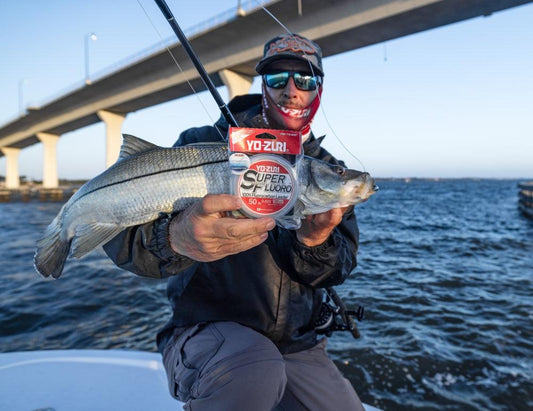
Striped bass are one of the most popular game fish along the East Coast, and every angler wants that perfect photo before sending a fish back to fight another day. But how you handle a striped bass from the moment it hits the net to the moment it swims away can make a major difference.
Proper catch-and-release starts before you even land the fish. With a few simple techniques, you can reduce stress and injury and give your striped bass the best possible chance of a healthy release.
1. Use the Right Gear
The best release starts with tackle that allows you to land the fish efficiently.
Use tackle heavy enough to fight the fish without unnecessarily exhausting it. A prolonged fight can cause significant stress, especially when water temperatures are warmer.
Your landing net matters, too. Whenever possible, use a rubberized or knotless net designed to minimize damage to a fish's fins, scales, and protective slime layer.
Having your tools ready before you hook up is also important. Keep pliers, hook removers, and your camera within easy reach so you aren't searching for gear while the fish is out of the water.
2. Keep the Fish in the Water
One of the most important rules of catch-and-release fishing is simple:
The less time a striped bass spends out of the water, the better.
If you're fishing from a boat, have your net ready and clear the deck before landing the fish. If you're fishing from shore, plan where you're going to land and release the fish before you make the cast.
Whenever possible, remove the hook while the fish is still in the water. This dramatically reduces the amount of time the fish needs to spend out of the water.
3. Handle Striped Bass Properly
Striped bass should be handled carefully and supported properly.
Before touching the fish, wet your hands. This helps protect the fish's natural slime coat.
Avoid squeezing the fish or grabbing it by the gills. The gill area contains delicate tissue that can be easily damaged.
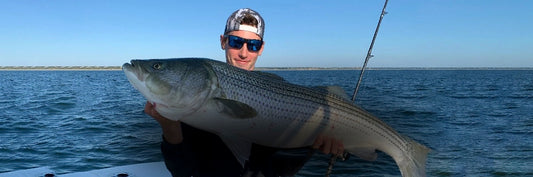
For a larger striped bass, support the fish with one hand near the lower jaw and the other hand supporting its belly. Keep the fish horizontal rather than holding it vertically by the jaw.
Never drag a striped bass across sand, rocks, or a boat deck. If you need to place the fish down briefly, use a wet, smooth surface and keep the time out of the water as short as possible.
4. Remove the Hook Carefully
If the hook is easily accessible, use long-nose pliers or a hook-removal tool to remove it quickly.
Don't force a deeply embedded hook. If removing the hook would cause significant additional injury, cutting the line as close to the hook as possible may be the better option.
Avoid putting your fingers deep inside the fish's mouth, especially when dealing with treble hooks or other sharp tackle.
Barbless or crushed-barb hooks can also make releasing fish quicker and easier.
5. Take the Photo Quickly
We all want the hero shot — just make it quick.
Have your camera or phone ready before you take the fish out of the water. Communicate with whoever is taking the photo so you don't have to hold the fish out of the water while getting everyone positioned.
Keep the fish horizontal and close to the water in case it slips.
A quick photo followed by an immediate release is far better than an extended photo session.
6. Revive the Fish Before Release
Once the photo is done, get the striped bass back into the water as quickly as possible.
If the fish needs to be revived, keep it upright and facing into the current or moving water. Allow water to naturally flow over the gills.
Do not push the fish rapidly back and forth through the water. Let the fish regain its strength naturally.
When the striped bass is able to maintain its balance and swim away under its own power, let it go.
Watching a healthy striper kick away is one of the best parts of the catch.
7. Know the Regulations
Responsible striped bass fishing also means knowing the current regulations wherever you're fishing.
Size limits, slot limits, possession limits, seasons, and other regulations can vary by state and may change from year to year. Always check the current regulations for the specific waters you're fishing before heading out.
Regulations exist to help protect the striped bass fishery, and following them is part of being a responsible angler.
The Goal: Leave Them Stronger Than You Found Them
Catch-and-release isn't just about putting a fish back in the water. It's about giving that fish the best possible chance to survive and continue growing, migrating, and reproducing.
From using appropriate tackle to wetting your hands, supporting the fish properly, limiting air exposure, and getting that quick hero shot, every step matters.
The next time you land a striped bass, take a few extra seconds to think about the fish beyond the photo.
Catch it. Handle it right. Get the shot. Let it swim.
That's how we keep the striper fishery strong for the next generation of anglers.