






Know Before You Go: Striper Fishing

Practicing proper catch and release for striped bass isn’t just a good habit—it’s essential for protecting one of the East Coast’s most iconic fisheries. With increasing pressure on the striped bass population, every angler plays a role in ensuring these fish survive after the fight and continue their migration.
The process starts before the fish is even hooked. Using circle hooks when fishing bait dramatically reduces gut-hooking and increases survival rates. Once hooked, aim to land the fish quickly with appropriately matched gear to avoid exhausting it. A long fight may feel rewarding, but it significantly lowers a fish’s chance of recovery.
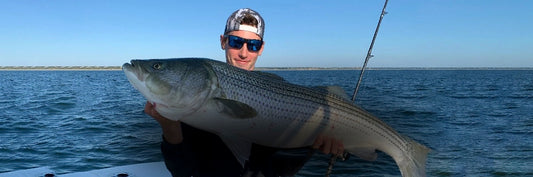
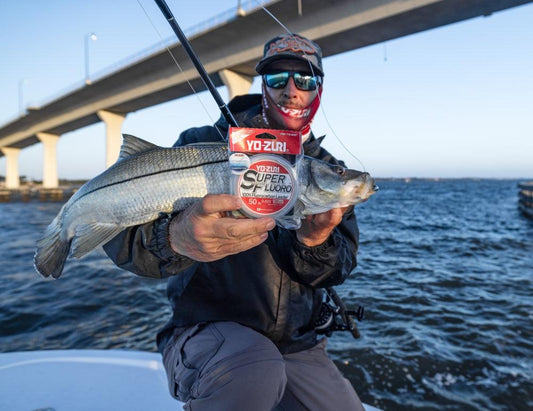
When handling a striped bass, keep it in the water as much as possible. If you need to lift it for a quick photo, support its body horizontally—never hang it vertically by the jaw. Wet your hands before touching the fish to protect its slime coat, which acts as a critical defense against disease.
Hook removal should be quick and efficient. Carry pliers or a dehooking tool to minimize handling time. If the hook is deeply embedded, it’s often better to cut the line rather than cause further injury trying to remove it.
Reviving the fish is the final—and often overlooked—step. Hold the bass upright in the current, allowing water to flow through its gills until it kicks away strongly on its own. Avoid pushing the fish back and forth; let it regain strength naturally.
By taking a few extra seconds to handle each fish properly, you’re helping ensure that striped bass remain a thriving fishery for seasons to come. Whether you’re fishing from the surf, boat, or back bay, responsible release practices make all the difference.